

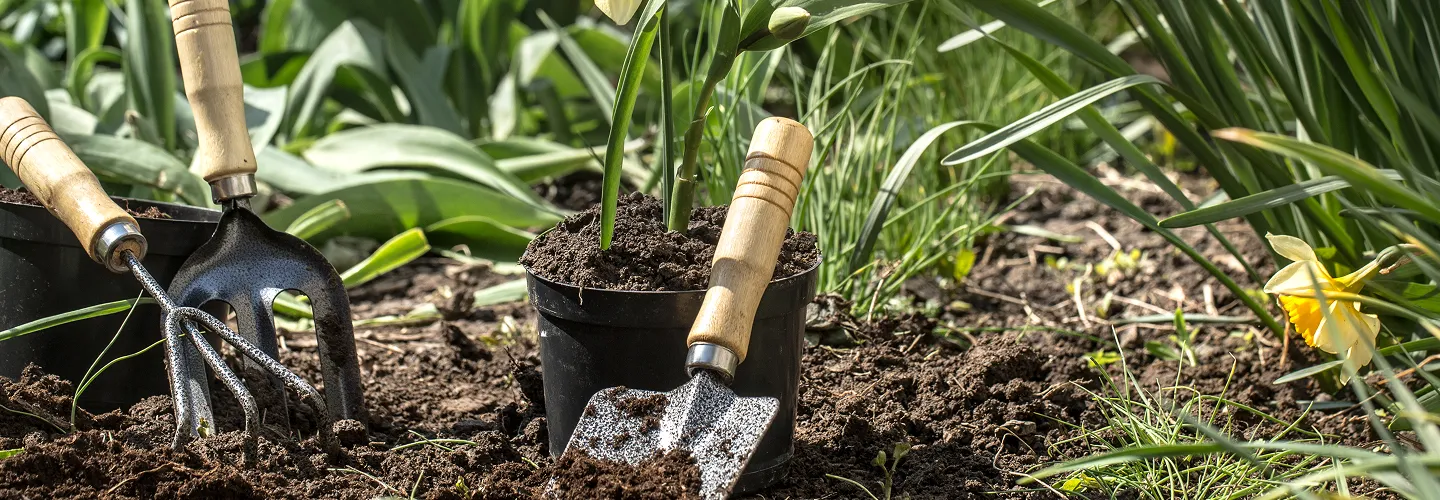
Marshfield Brush Removal Services
Choose our professional brush removal services for fast, thorough clearing that enhances your property's safety, curb appeal, and usability—handled by local experts you can trust.
Get a Free QuoteWhen to Schedule Brush Removal in Marshfield, Massachusetts – Seasonal Guide
In Marshfield, Massachusetts, timing your brush removal is crucial for maintaining a healthy and attractive landscape. The best periods for this service are typically late winter through early spring, and again in late fall, when vegetation is dormant and easier to manage. These windows help minimize disruption to local wildlife and reduce the risk of spreading invasive species. Marshfield’s coastal climate, with its humid summers and cold, sometimes snowy winters, means that brush can accumulate quickly, especially in neighborhoods like Brant Rock and near landmarks such as Rexhame Beach.
Local environmental factors play a significant role in determining the optimal schedule. For example, the last frost date—usually in late April—signals a good time to begin spring cleanup, while autumn brush removal is best completed before the first hard freeze. Areas with dense shade, such as those near the South River, may experience more rapid undergrowth, while sandy soils common in the Green Harbor area can affect how easily brush is removed. For more information on local regulations and environmental guidelines, visit the Town of Marshfield’s official resource.
Local Factors to Consider for Brush Removal in Marshfield
- Tree density and type of vegetation in your yard
- Terrain and accessibility (e.g., hilly areas near Ferry Hill)
- Seasonal precipitation and risk of drought
- Local municipal restrictions or permit requirements
- Proximity to wetlands or conservation areas
- Soil type and drainage characteristics
- Shade coverage and sun exposure throughout the property
Benefits of Brush Removal in Marshfield
Enhanced Curb Appeal
Improved Property Safety
Prevention of Pest Infestations
Increased Usable Outdoor Space
Healthier Plant Growth
Efficient and Reliable Service
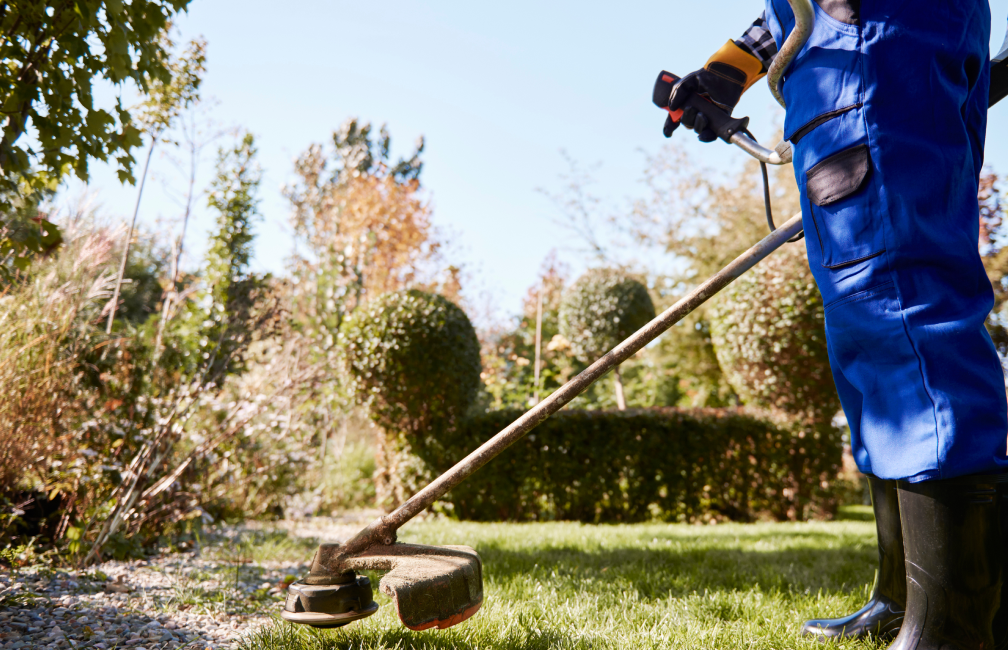
Marshfield Brush Removal Types

Manual Brush Clearing
-
Mechanical Brush Removal
-
Forestry Mulching
-
Selective Tree Removal
-
Stump Grinding
-
Debris Hauling
-
Land Grading and Leveling
Our Brush Removal Process
Site Evaluation
Safety Preparation
Brush Clearing
Debris Removal
Final Inspection
Why Choose Marshfield Landscape Services
-
Marshfield Homeowners Trust Us
-
Expert Lawn Maintenance
-
Reliable Seasonal Cleanups
-
Competitive Pricing
-
Professional Team
-
Satisfaction Guarantee
-
Personalized Service
Contact Marshfield's Department of Public Works for Brush Disposal & Municipal Chipping Programs
Proper brush disposal in Marshfield is managed through seasonal curbside collection (April–November), requiring biodegradable paper bags—plastic bags are strictly prohibited per MassDEP. Brush bundles must not exceed 4-foot lengths or 50 lbs, and must be tied with biodegradable twine. Residents may also use the Transfer Station, which requires a permit and may involve fees. Municipal chipping programs are coordinated by the Department of Public Works, with on-site chipping and mulch availability during peak spring and fall periods. All brush must be separated from leaves and free of contaminants. Never dispose of brush in the street or storm drains, as this can result in MS4 violations and penalties. For more information or to schedule services:
Marshfield Department of Public Works
870 Moraine Street, Marshfield, MA 02050
Phone: (781) 834-5575
Official Website: Marshfield Department of Public Works
Marshfield Fire Department Coordination for Open Burning Permits & Safety Requirements
Open burning in Marshfield is subject to strict regulations, with many Massachusetts towns restricting or prohibiting the practice. Where permitted, burning is allowed only during designated seasonal windows and requires a daily permit from the Fire Department. Residents must comply with MassDEP air quality standards and observe minimum setbacks of 50-150 feet from structures. Burning must be supervised at all times, with a water source (hose or extinguisher) on hand. Prohibited materials include leaves, construction debris, and plastics. Burning may be canceled on high-risk days (high winds, low humidity) per NWS Boston/Norton. For permit details and fire safety guidance:
Marshfield Fire Department
60 South River Street, Marshfield, MA 02050
Phone: (781) 834-5546
Official Website: Marshfield Fire Department
Understanding Brush Types, Invasive Species & Specialized Disposal in Marshfield's Glacial Till & Rocky New England Terrain
Marshfield’s landscape features glacial till and rocky soils, supporting both native and invasive brush species. Common invasive plants include:
- Common Buckthorn (Rhamnus cathartica) and Glossy Buckthorn (Frangula alnus)
- Bush Honeysuckles (Amur, Morrow's, Tartarian)
- Multiflora Rose (Rosa multiflora)
- Autumn Olive (Elaeagnus umbellata)
- Oriental Bittersweet (Celastrus orbiculatus)
Specialized disposal is required: remove invasives before fruit set (June–September), bag berries to prevent seed spread, and sanitize equipment between sites. Viable seeds must go to landfill—never compost or chip. For guidance on invasive management, coordinate with Mass Division of Fisheries & Wildlife and MA Dept of Agricultural Resources. Poison ivy, ticks (Lyme disease), and wild parsnip are common hazards; consult the Board of Health for safety protocols.
Marshfield Board of Health
870 Moraine Street, Marshfield, MA 02050
Phone: (781) 834-5558
Official Website: Marshfield Board of Health
Marshfield Conservation Commission Requirements for Brush Removal Near Wetlands & Protected Areas
Brush removal near wetlands, vernal pools, streams, and ponds in Marshfield is regulated under the Wetlands Protection Act (M.G.L. c. 131, § 40). Permits (NOI or RDA) are required for work within 25-100 feet of protected resources. Erosion control is critical, especially on glacial till or clay slopes, using silt fences or erosion blankets. Wildlife protection mandates nesting bird surveys from April–August and inspections for active dens or bat roosts. Seasonal restrictions apply for migratory and resident species. Selective removal should preserve native habitat features and may include creating brush piles for wildlife. For permitting and site-specific requirements:
Marshfield Conservation Commission
870 Moraine Street, Marshfield, MA 02050
Phone: (781) 834-5557
Official Website: Marshfield Conservation Commission
Professional Safety Standards, Equipment Requirements & Utility Coordination (Dig Safe 811) for Brush Removal
Professional brush removal in Marshfield must adhere to ANSI Z133.1 safety standards. Complex removals require an ISA Certified Arborist and operator certification for equipment such as brush hogs, forestry mulchers, and wood chippers. Essential PPE includes chainsaw chaps, cut-resistant gloves, eye/face protection, hearing protection (>85 dB), and steel-toed boots. All excavation or stump removal requires contacting Dig Safe 811 at least 48 hours (preferably 72 hours) in advance, maintaining a 10-foot minimum distance from power lines. Liability insurance (1M minimum, 2M aggregate), workers compensation, and bonding are required for commercial operators. Proof of Dig Safe compliance is mandatory for all projects.
Seasonal Timing, Wildlife Protection & Weather Coordination for Marshfield's Climate Zone 6b
Marshfield’s USDA Zone 6b climate influences optimal brush removal timing:
- Winter (Dec–March): Frozen ground minimizes soil compaction and wildlife disturbance
- Early Spring (March–April): After thaw, before peak nesting
- Late Fall (Oct–Nov): After breeding, before freeze
- Summer (May–August): Avoid due to nesting birds and fire risk Weather coordination is essential—avoid work during high winds (20-25 mph), saturated soils, or extreme heat (>90°F). Monitor NWS Boston/Norton for red flag warnings and drought conditions. Wildlife surveys are required April–August, especially for protected species. Document all wildlife encounters and avoid disturbing overwintering mammals in brush piles.
Post-Removal Site Restoration & Stormwater Management in Compliance with Marshfield's MS4 Program
After brush removal, immediate erosion control is required to comply with the Clean Water Act and Marshfield’s MS4 permit. Use mulching, erosion blankets, and native grass seeding to stabilize exposed glacial till or clay soils. Protect storm drains from sediment and organic debris, following MassDEP Stormwater Standards. Restore sites with native shrubs and grasses adapted to local soils. Monitor for invasive regrowth (buckthorn, bittersweet) for 1-2 years and maintain restored areas with watering and mulch. Herbicide use requires a licensed applicator per MA Dept of Agricultural Resources. For environmental monitoring and compliance:
Marshfield Engineering Division
870 Moraine Street, Marshfield, MA 02050
Phone: (781) 834-5575
Official Website: Marshfield Engineering Division
Storm Debris Management & Emergency Response Coordination with Marshfield
Severe weather events in Marshfield, such as Nor’easters, hurricanes, and ice storms, require coordinated emergency debris management. The town announces emergency collection schedules and may open temporary drop-off sites. Residents must separate organic brush from construction debris and place items curbside without blocking streets. Priority is given to clearing emergency routes and major thoroughfares. Coordination with DPW, Police, and Fire Departments ensures public safety and efficient response. For major disasters, FEMA documentation and regional mutual aid may be activated. Traffic control, barricades, and utility coordination are essential for safe operations. Report hazards such as downed power lines or gas leaks immediately.
Marshfield Police Department
1639 Ocean Street, Marshfield, MA 02050
Phone: (781) 834-6655
Official Website: Marshfield Police Department
What Neighborhoods Do We Serve Throughout Marshfield, MA?
Marshfield’s neighborhoods each present unique vegetation and infrastructure considerations:
- Brant Rock & Green Harbor: Coastal, sandy soils, lower invasive pressure, but sensitive to storm surge and wetland proximity
- Marshfield Hills: Mature woodlands, high buckthorn/bittersweet density, narrow roads, historic district requirements
- Rexhame & Fieldston: Mix of native and invasive brush, moderate fire risk during drought, HOA and deed restrictions common
- North Marshfield: Rocky, glacial till soils, extensive conservation land, equipment access challenges
- Ocean Bluff & Humarock: Sandy, flood-prone, limited brush density, but strict wetland buffer enforcement
- Webster Square: Older infrastructure, overhead utilities, compacted soils, traffic control needs Each area may require Conservation Commission permits for work near wetlands, and restoration expectations vary with property values and community standards. Municipal collection routes and chipping services are available town-wide, but Transfer Station access and composting capacity may be limited during peak seasons.
Marshfield Municipal Ordinances for Brush Removal Equipment Operation & Commercial Service Standards
Marshfield enforces specific ordinances for brush removal operations. Equipment may be used from 7:00 AM–8:00 PM on weekdays and 8:00 AM–6:00 PM on Saturdays; Sunday use is often restricted before 9:00 AM or prohibited—verify with local bylaws. Noise limits and public safety protocols (traffic control, pedestrian notification) are required. Commercial operators must hold a business license, register as a Home Improvement Contractor for contracts over $1,000 (per MA law), and provide proof of insurance (1M minimum general liability, 2M aggregate, workers compensation). Certification (ISA Arborist) and compliance with ANSI Z133 are mandatory. Code Enforcement investigates violations, with penalties for non-compliance. For regulatory guidance:
Marshfield Building Department
870 Moraine Street, Marshfield, MA 02050
Phone: (781) 834-5556
Official Website: Marshfield Building Department